

Little Princess Trust News
Importance of collaboration across research sector
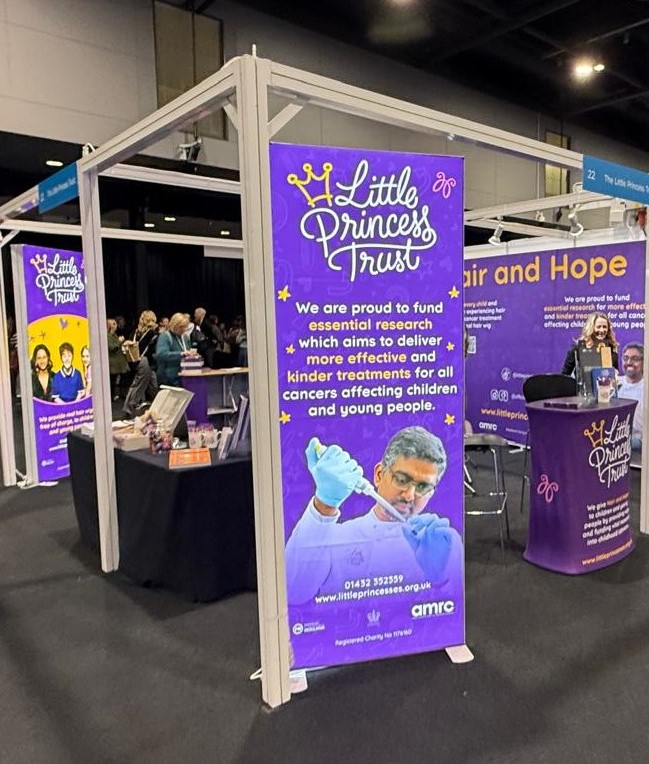
Phil Brace, our CEO, gives his thoughts on the CCLG conference
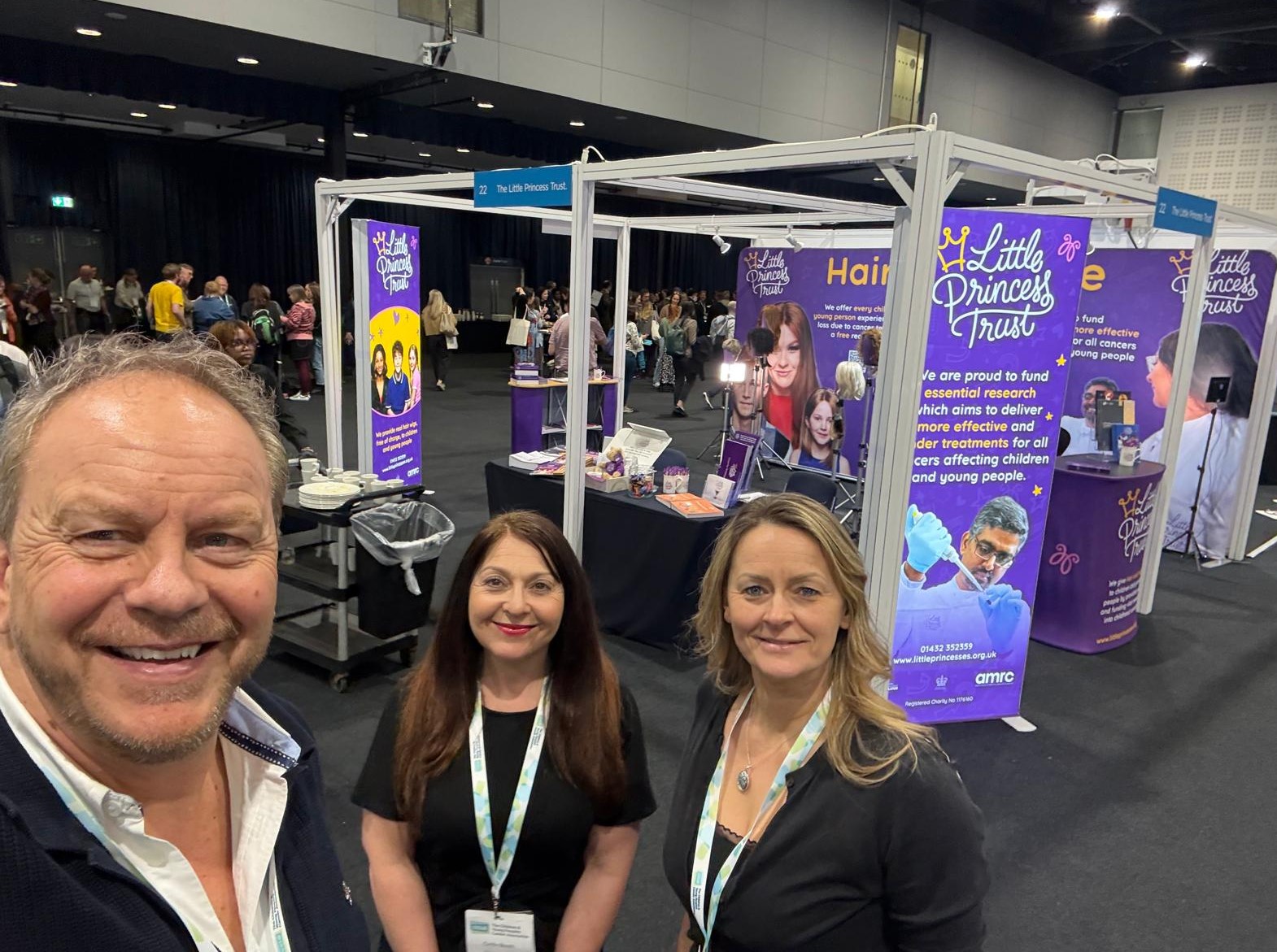
Attending the CCLG The Children & Young People’s Cancer Association Annual Conference is always both a learning experience and a real source of motivation for me.
It gives us the chance to spend time with many of the researchers we fund and to hear directly about the progress they’re making.
We also connect with research nurses and clinical teams from across the UK’s key paediatric cancer centres.
These conversations are incredibly valuable, not just in terms of research, but also in discussing our wig provision and understanding where we may be able to offer further support.
Often, it’s in these conversations that challenges emerge, challenges where, as a charity, we can potentially play a more active role and ensure our funding decisions are evidence based
The conference itself is full of insightful talks and presentations. It’s important that we continue to educate ourselves, and this ongoing learning plays a key role in shaping our funding strategy and decisions.
One of the highlights for me is always spending time with other charities. There’s something incredibly powerful about being around people and organisations who are all so driven to improve outcomes for children and young people. It’s refreshing, and genuinely inspiring, to connect with so many like-minded individuals.
Collaboration is a central part of our research strategy, and I strongly believe it needs to become the norm across the sector. We are starting to see more examples of this in practice, with joint funding initiatives involving organisations such as CCLG, Great Ormond Street Hospital, Children With Cancer UK, Solving Kids Cancer, Cancer Reasearch UK, LifeArc, and ourselves, just to name a few.
A particularly strong example of what collaboration can achieve is IMPACCT (Initiative for Multi-stakeholder Partnership to Accelerate Children’s Cancer Trials). It’s the kind of initiative that simply wouldn’t be possible without genuine partnership and shared intent.
IMPACCT is a practical, solution-focused programme designed to reduce delays in setting up and running clinical trials for children and young people with cancer.
Clinical trials are essential because they are the only way to develop safer, more effective treatments specifically for children - ensuring therapies are properly tested, improving survival rates, and giving young patients access to the best possible treatment both now and in the future.
IMPACCT was created and is driven by Solving Kids Cancer and they have managed to bring a plethora of highly skilled and knowledgeable stakeholders from the sector together to collaborate on solutions. I find these meetings and seeing what can be achieved working together highly rewarding and motivational. This is what good looks like!
At this year’s conference, it was also great to see the launch of, what I believe, will drive closer and more strategic collaborations between charities: the publication of Mapping Funding of UK Childhood Cancer Research. This was initiated by Ashley Ball-Gamble at CCLG and delivered by Susie Aldiss, Prof Faith Gibson, Faith Brown, and the team at the University of Surrey.
As funders, we are here to support the research community. We place real importance on ensuring that funded research is published and shared. We want to see greater multinational collaboration, less duplication, and more openness between world-leading experts.
We need to turn that intent into meaningful action
Cancer is a complex and significant challenge; it requires equally significant solutions. And those solutions will only come through working together.
Encouragingly, we are now seeing more charities take meaningful steps towards genuine collaboration, backed up by real action.
The mapping publication initiated and funded by CCLG is a strong step in the right direction. It helps build a clearer understanding of the scientific and clinical challenges we need to address, particularly if we are to support discovery science and accelerate the development of new treatments for children.
Alongside this, we must continue to work within regulatory and ethical frameworks, ensuring that new therapies are developed safely and responsibly.
There is also more to do in improving how we approach funding, timelines, and trial design, removing barriers where we can and helping to speed up progress.
There is a clear sense of direction, and a lot of positive intent. Now, we need to turn that intent into meaningful action and I for one will be championing collaboration.