

Little Princess Trust News
New funding to fight neuroblastoma
Three projects supported to improve treatments for children
The Little Princess Trust is proud to announce three new research projects that aim to improve treatment for children with neuroblastoma.
Neuroblastoma is a type of cancer that starts in early nerve cells, usually in very young children. While many children can be cured, some patients are much harder to treat – which is why researchers are keen to find new treatment options.
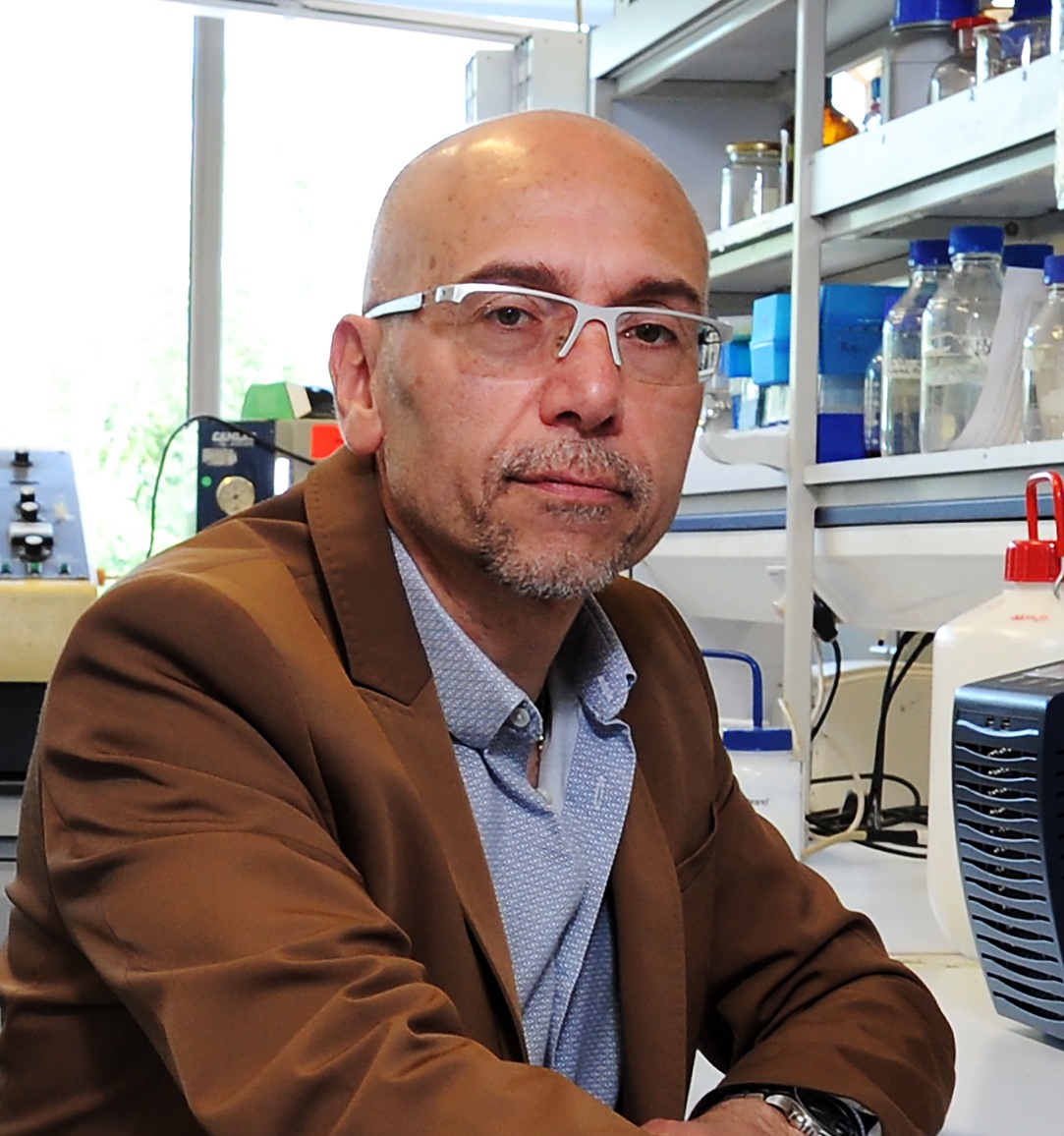
One of those researchers is Professor Arturo Sala at Brunel University, London. He is working with a specially designed molecule called an ‘aptamer’, which sticks to cancer cells and interferes with how they grow.
Because these molecules are man-made, they can be designed to target cancer cells with specific genes.
He said: “The purpose of the project is to assess whether aptamers that target a cancer-causing gene can be used to treat neuroblastoma.
"Aptamers were found to be very safe in adult patients, so they could be quickly repurposed in children with cancer if effective.”
By testing aptamer treatments in the lab, the researchers aim to generate the evidence needed to move into clinical trials, where the treatment could benefit patients.
Prof Sala added: “I am delighted that The Little Princess Trust has given us the opportunity to advance our research which, I hope, will benefit children with neuroblastoma.”
Professor Karim Malik’s project at the University of Bristol will also test new treatments for neuroblastoma.
His team is testing a combination treatment that uses two existing medicines in a new way.
Prof Malik said: “The use of drug combinations such as these is crucial to combat drug resistance, which is common with all single treatments.
"Combination therapies also enable higher efficacy at lower drug doses for patients, thereby minimising associated side effects.”
The two medicines being tested are designed to interfere with processes that cancer cells rely on to grow and divide.
The researchers hope this approach will eliminate tumour cells and increase patient survival.
The third project takes a different approach, focusing on a new type of CAR T cell immunotherapy. CAR T cell therapy trains a child’s own immune cells to find and fight cancer.
While successful in some blood cancers, it has been less effective in solid tumours like neuroblastoma, where immune cells struggle to survive.
Led by Professor James Arnold at King’s College London, the project is part of a close collaboration with researchers at the Great Ormond Street Institute of Child Health. Prof Arnold will combine his expertise with Prof John Anderson and Dr Thomas Jackson to develop an innovative new treatment.
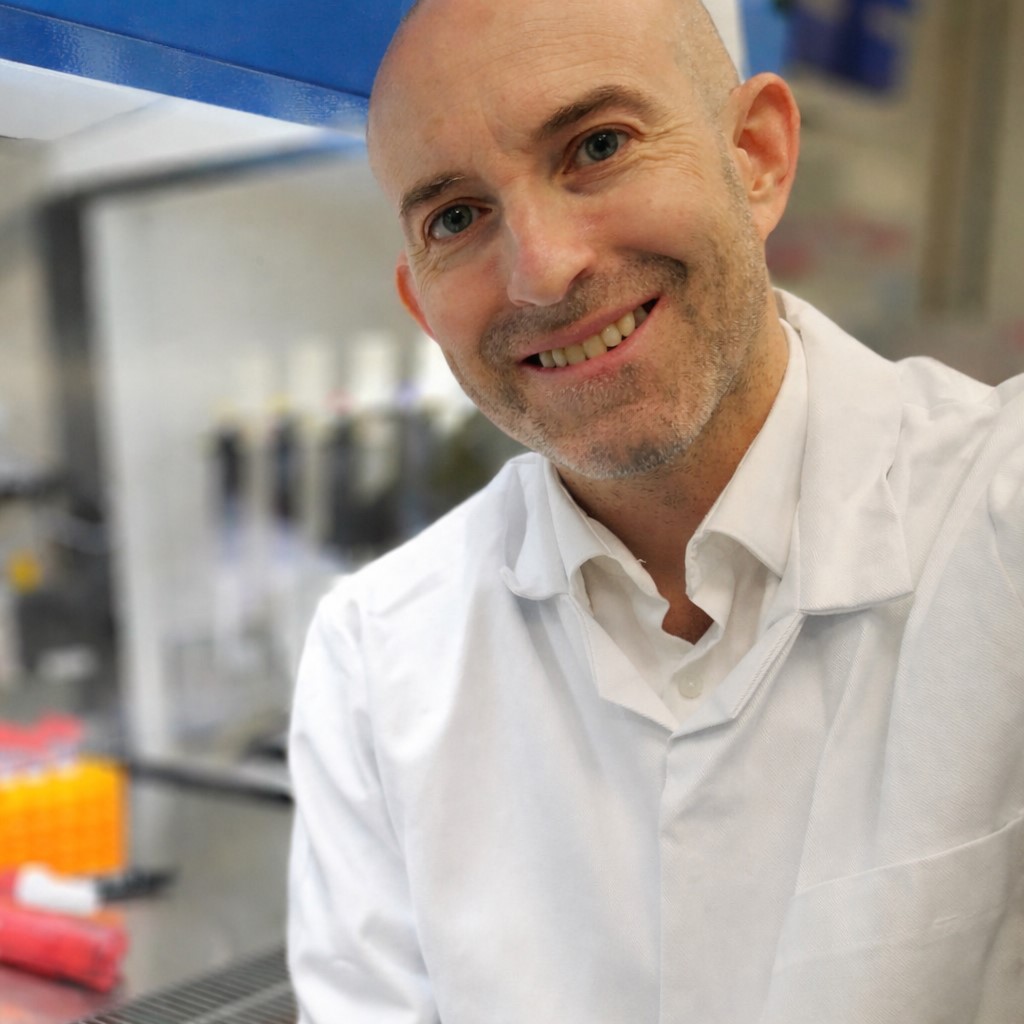
He said: “Our previous work has identified key weaknesses in cancer cells and ways to make them more responsive to treatment. In this project, we are building on that knowledge and applying it to immunotherapy.
“Our aim is not only to help immune cells better recognise and attack solid tumours, but also to reshape the tumour environment itself, making it more receptive to treatment overall.
"This combined approach has the potential to improve the effectiveness of both immunotherapy and existing standard treatments.”
We’re delighted to support this research and look forward to seeing where it leads.
Wendy Tarplee-Morris, Founder of The Little Princess Trust, said it is fantastic to be able to fund three such promising projects.
"Because Professors Malik and Sala’s projects use medicines that are already being tested in clinical trials, their treatments have the potential to reach children much more quickly," she added.
"Professor Arnold’s project, meanwhile, is exploring how to bring CAR T cell therapy – one of the most exciting recent advances in cancer care – to children with solid tumours.
“We’re delighted to support this research and look forward to seeing where it leads.”