

Little Princess Trust News
Trying to improve treatments for children with high-risk neuroblastoma
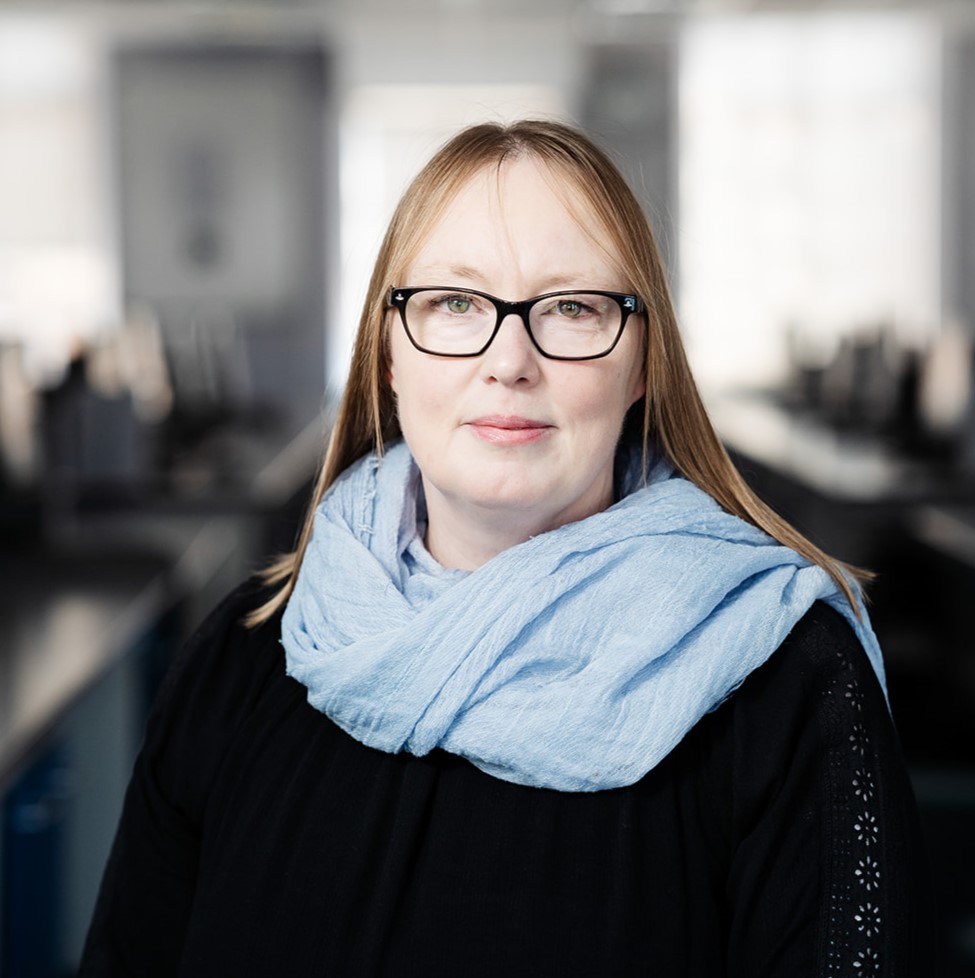
Sixty seconds with New Ideas researcher Professor Suzanne Turner
This month we funded 9 new childhood cancer research projects, marking our 10th anniversary of funding childhood cancer research.
The projects all focus on a ‘New Idea’ – an early idea that could one day change how children and young people with cancer are treated.
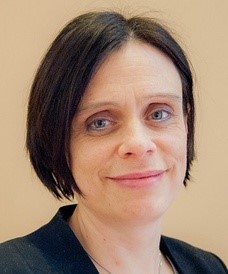
We spoke to Professor Suzanne Turner at the University of Cambridge who, alongside Professors Anna Philpott and Aditi Vedi, is investigating whether combining two existing drugs could improve treatment for children with high-risk neuroblastoma. Here’s what Professor Turner, pictured above, told us.
What is your project about?
Our project is focused on finding a better treatment for high-risk neuroblastoma. We are investigating whether two existing treatments can work better together.
The first is an immunotherapy drug called dinutuximab, which helps the body's immune system recognise and attack cancer cells. The second is a drug called palbociclib, which can slow cancer growth and encourage tumour cells to mature and stop dividing.
Our laboratory studies suggest that combining these two treatments may make cancer cells more visible and vulnerable to the immune system. This grant will help show whether this combination could move forward into a clinical trial for children with neuroblastoma.

Why is this research project important?
Children with high-risk neuroblastoma often undergo very intensive treatment, including chemotherapy, surgery, radiotherapy and immunotherapy. Even after this, relapse is common, and treatment can leave children with lifelong side effects. There is an urgent need for therapies that are both more effective and less burdensome.
Our research aims to improve an immunotherapy that is already in use, rather than developing an entirely new treatment from scratch. Because both drugs have already been used in children, our findings could potentially be translated into clinical trials more quickly. Because our goal is to improve an existing therapy rather than increase treatment intensity, there is also the possibility of achieving a better treatment without causing significantly more side effects.
How could your work eventually help children and young people with cancer?
If our research is successful, it could lead to new clinical trials for children with high-risk neuroblastoma. In the short term, this could create a new treatment option for children whose cancer has returned or is at particularly high risk of relapse.
In the longer term, the combination might be used earlier in treatment to help prevent relapse from happening in the first place. Ultimately, we hope this work will contribute to helping more children survive neuroblastoma and thrive after treatment.
How do you feel to have been awarded a New Ideas Grant as part of The Little Princess Trust's 10-year research funding anniversary?
I am absolutely delighted and honoured to receive this award during such a significant milestone for The Little Princess Trust. Over the past decade, the charity has made a remarkable contribution to improving outcomes for children and young people with cancer by supporting innovative research and helping ideas progress towards patient benefit.
Most importantly, I am grateful to the supporters of The Little Princess Trust whose generosity makes this research possible. It is a privilege to contribute to research that aims to improve treatment options and outcomes for children and families affected by cancer.
Find out more about Suzanne’s project here.
Latest Posts
Working on a way to deliver immunotherapy directly to brain tumours
How radiotherapy leaves changes in brain tumour cells that affect future treatments
Funding agreed to support nine bold new ideas
Funding research that 'few others will support'
How early stage research can have a lasting impact