

Little Princess Trust News
Funding research that 'few others will support'
Leading scientist praises LPT for our backing as we mark anniversary
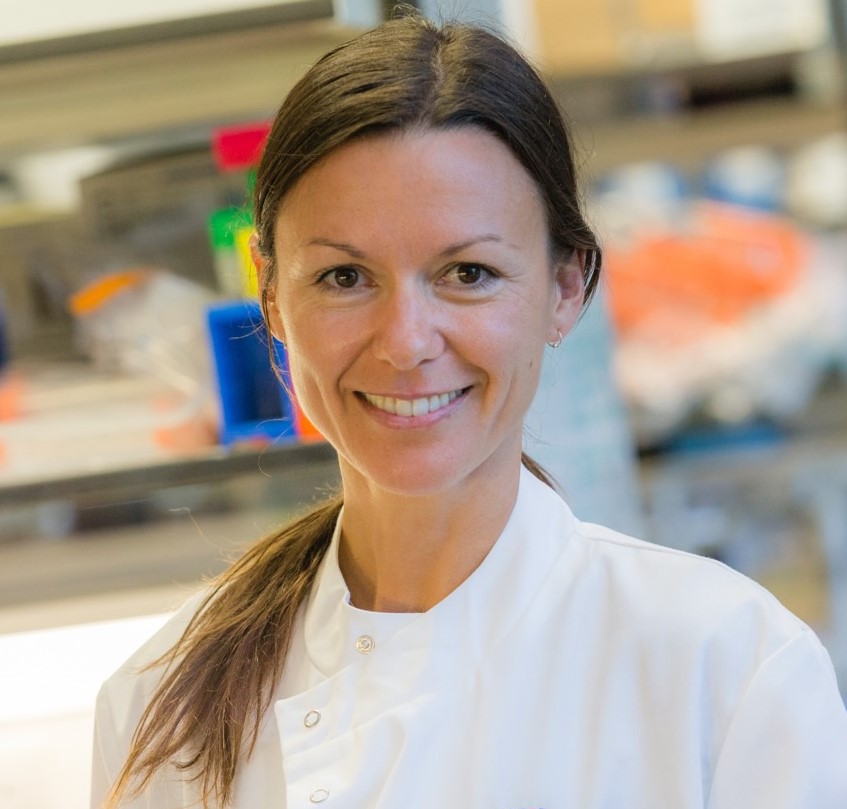
Dr Alejandra Bruna is a senior paediatric scientist at the Institute of Cancer Research (ICR).
She first became established in the world of breast cancer research before using her expertise to improve our knowledge of childhood cancers.
Alejandra, who currently leads the Preclinical Modelling of Paediatric Cancer Evolution Group at the ICR, credits The Little Princess Trust with helping her make the transition.
As we mark 10 years of funding childhood cancer research, Alejandra explains how our charity has played a vital role in funding paediatric science that few others will support.
"How was philanthropic support instrumental in your ability to move fields and start up your own lab in childhood cancer?
I came to paediatric oncology from an established career in breast cancer research. That meant I had no preliminary data in the disease, no publications in it, and no track record in it.
These are the three things every conventional panel scores you on. Summing up, it was a change of field that no panel could fund.
Family-led charities and the amazing paediatric cancer research community adopted me and enabled my transition, because they were backing a person and a question. The researchers and oncologists also embraced me as generously as the charities did.
Can you tell us more about your first funded childhood cancer research project?
The Little Princess Trust was the first charity to fund my work in this field. It was in April 2020 and the grant allowed me to study neuroblastoma cells, aiming to understand how the tumours evolve. At the same time, my lab was also selected for a second project to develop innovative treatments for MYC-driven medulloblastoma.
These grants are what allowed me to generate preliminary data in paediatric cancer. Before it, I had none.
And so how did that first grant success come about?
I was shortlisted for the final round of that first call. The Little Princess Trust’s new headquarters in Hereford were opening for the first time since the Covid pandemic and I was not going to be late, so I drove my campervan up the night before, parked nearby and slept there.
I went for a long walk before the interview, straight through muddy water, and came back with my shoes soaked and filthy. Luckily, I had a spare pair hidden in the camper.
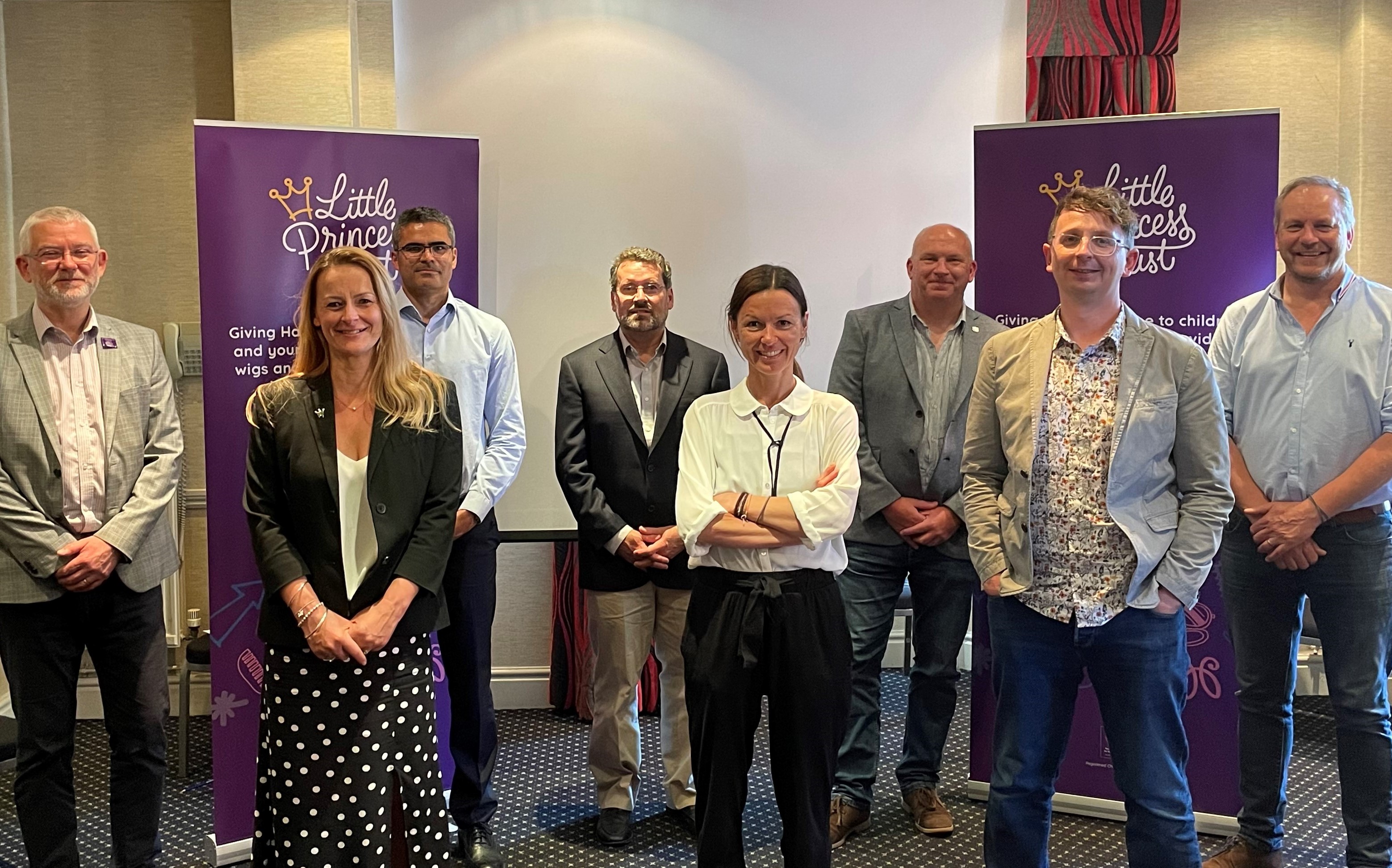
They liked both projects so much that they funded both. It meant so much to me and my embryonal lab. It was also the first time I met Wendy Tarplee-Morris and the rest of the team, which was immensely lovely.
How did that initial funding develop into something you could build on, and then win further funding to expand your work?
With that early data in hand, I got frustrated that the tools we had at hand could not answer the questions we wanted to answer, so I decided to embark on an even riskier project to develop a new molecular tool that would enable us to answer the questions we could not yet tackle because of the lack of technology.
They understood that without risk there are no dramatic advances.
Through the LPT and CCLG partnership and Janet Shipley, I was put in contact with Sarah and David, co-founders of Alice’s Arc, who immediately liked and backed a project no conventional funder would have supported on the evidence we had.
They saw the ambition, they saw the risk, and they understood that without risk there are no dramatic advances.
They also understood that basic science is a very important route to treatment – just as The Little Princess Trust had.
On the strength of all of it, I applied for and won a Cancer Research UK Career Establishment Award, a highly competitive national scheme.
To me, every grant here has been a multiplier, and The Little Princess Trust’s support (and the risk they took on) made me fundable and secured my tenure position.