

Little Princess Trust News
New research to improve understanding of childhood brain tumours
Projects vital to develop more effective and kinder treatments
The Little Princess Trust is proud to fund three new research projects focused on improving our understanding and treatment of childhood brain cancer.
Brain cancers are the most common type of solid tumour in children and young people. Although research has led to fantastic improvements that can cure many patients, some of these cancers are still hard to treat.
The new projects focus on understanding more about hard-to-treat brain tumours and finding better ways to test treatments. This type of research is vital to one day finding safer, more effective ways to cure children and ensure that their brain tumour doesn’t grow back.
What helps tumours spread?
The first new project is led by Dr Timothy Ritzmann at the University of Nottingham. Alongside researcher Dr Rebecca Chapman, he is looking at a type of brain tumour called ependymoma.
This cancer can sometimes come back after treatment, potentially due to tumour cells moving into the fluid around the brain and spinal cord. Dr Ritzmann’s team want to understand how the cancer is able to do this.
Dr Chapman explained: “Our research will investigate whether certain proteins, called aquaporins, help ependymoma cells survive and spread.
"We’ll also look at whether these proteins could be used to detect the disease earlier, or to develop new treatments.”
.jpg)
The researchers will study tumour samples, as well as blood and spinal fluid, to understand why these proteins are more common in ependymoma and what they are doing.
Dr Ritzmann added: “By improving our understanding of how ependymoma behaves, we hope to pave the way for kinder, more effective treatments and better outcomes for children affected by this disease.”
Making treatment more effective
Dr Rebecca Hill’s project at Newcastle University focuses on high-risk medulloblastoma. Children with this type of cancer are usually treated with radiotherapy and chemotherapy, but this combination does not always work.
As the radiotherapy is typically both essential and initially effective, the researchers want to find better chemotherapy or targeted therapy options that can help cure more young patients.
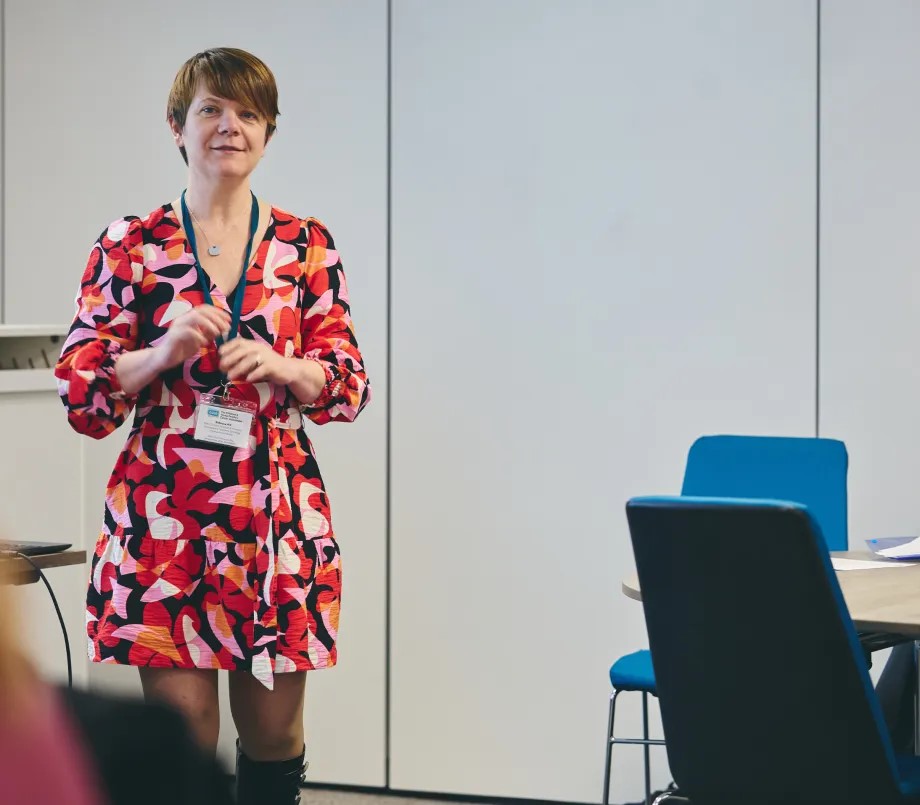
Dr Hill’s team is developing new lab models that closely copy how radiotherapy is given in hospital, allowing treatments to be tested in a way that better reflects real care.
By combining radiotherapy with various potential medicines in the lab, the researchers hope to find more effective ways to stop the tumour from growing back.
Dr Hill said: “This funding is extremely exciting, and we are thrilled to receive this support from The Little Princess Trust.
“Our approach will help us find new ways to treat high-risk medulloblastoma, and will provide the momentum, longer term, to change frontline treatment.”
How brain signals might help cancer cells grow
The third project, led by Professor Darren Hargrave at UCL Great Ormond Street Institute of Child Health, is studying a brain tumour called diffuse midline glioma (DMG).
Despite decades of research, there are currently no effective treatments for DMG. However, new research might hold some answers.
Prof Hargrave said: “Our recent studies, in collaboration with colleagues in the US, appear to show that DMG brain cancer cells may benefit from communicating with the normal brain - this opens an entirely new area for possible future treatments.”
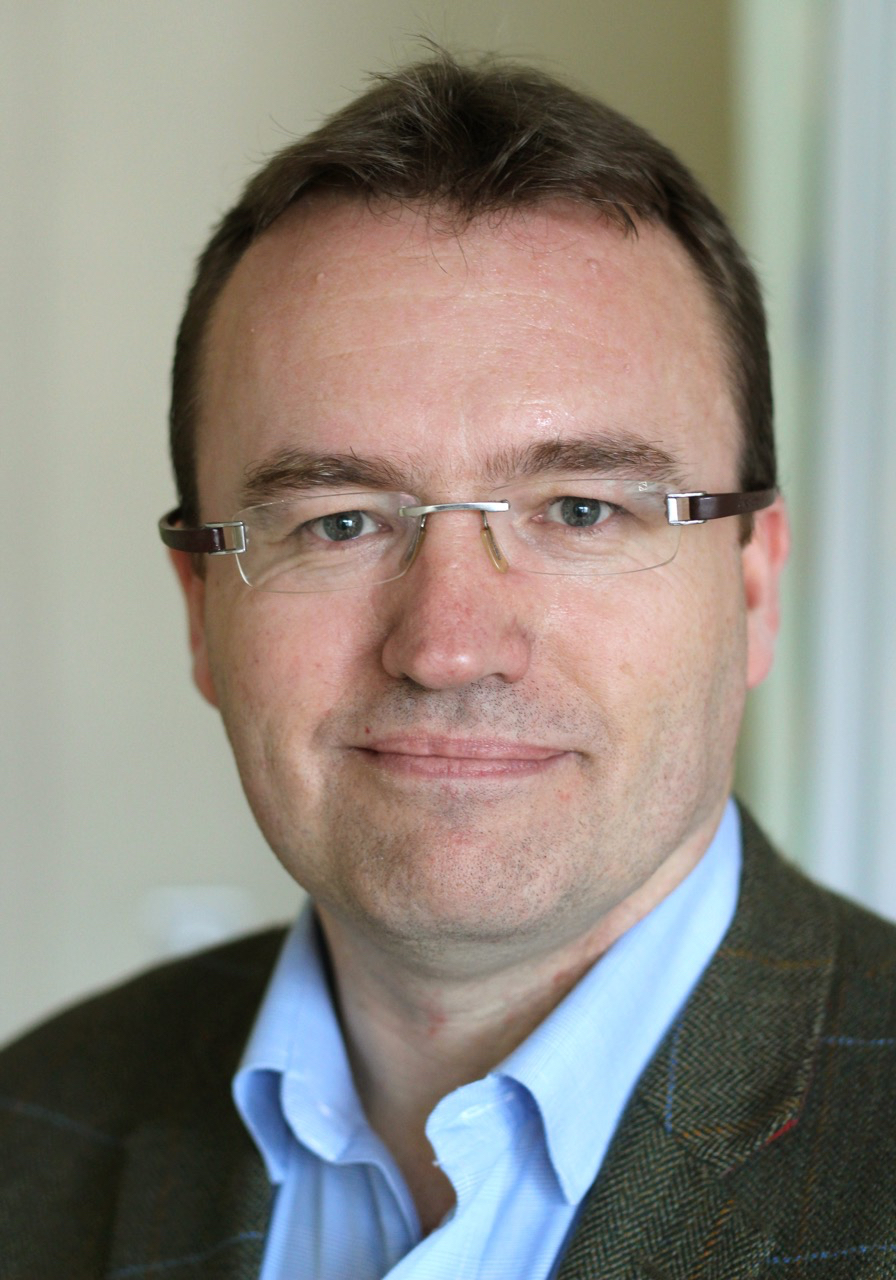
Professor Hargrave’s team aim to find out how exactly the cancer uses the brain’s electrical signals by recording this communication during planned surgery.
They will combine this with detailed tumour analyses to map how cancer cells interact with brain cells, hopefully identifying key connections that could be targeted in by new treatments.
Wendy Tarplee-Morris, Director of Services and Impact at The Little Princess Trust, said: “We are incredibly proud to support these important projects, which will provide valuable insights into childhood brain cancer.
"This knowledge is essential if we are to develop more effective and kinder treatments for children and young people.”