

Little Princess Trust News
New research seeks to improve treatments for childhood cancers
Our three funded projects each take a different approach
The Little Princess Trust is proud to fund three new childhood cancer research projects at University College London Great Ormond Street Institute of Child Health.
The projects all address the challenge of childhood cancer treatment. While many childhood cancers can now be treated successfully, some are still very difficult to treat. In addition, current treatments can be difficult for children to go through.
Each of the new projects takes a different approach to improving treatment, helping build a future where every child with cancer has a safe and effective cure.
Understanding complicated tumours
One of the projects, led by Dr Harry Leitch, is looking at how germ cell tumours begin. This type of cancer develops from very early versions of sperm or egg cells.
Because these early germ cells can develop into many different types of cells, the tumours they form are also very variable.
This project asks, “what goes wrong during development that makes a germ cell form a tumour rather than a sperm or egg”, explained Dr Leitch.
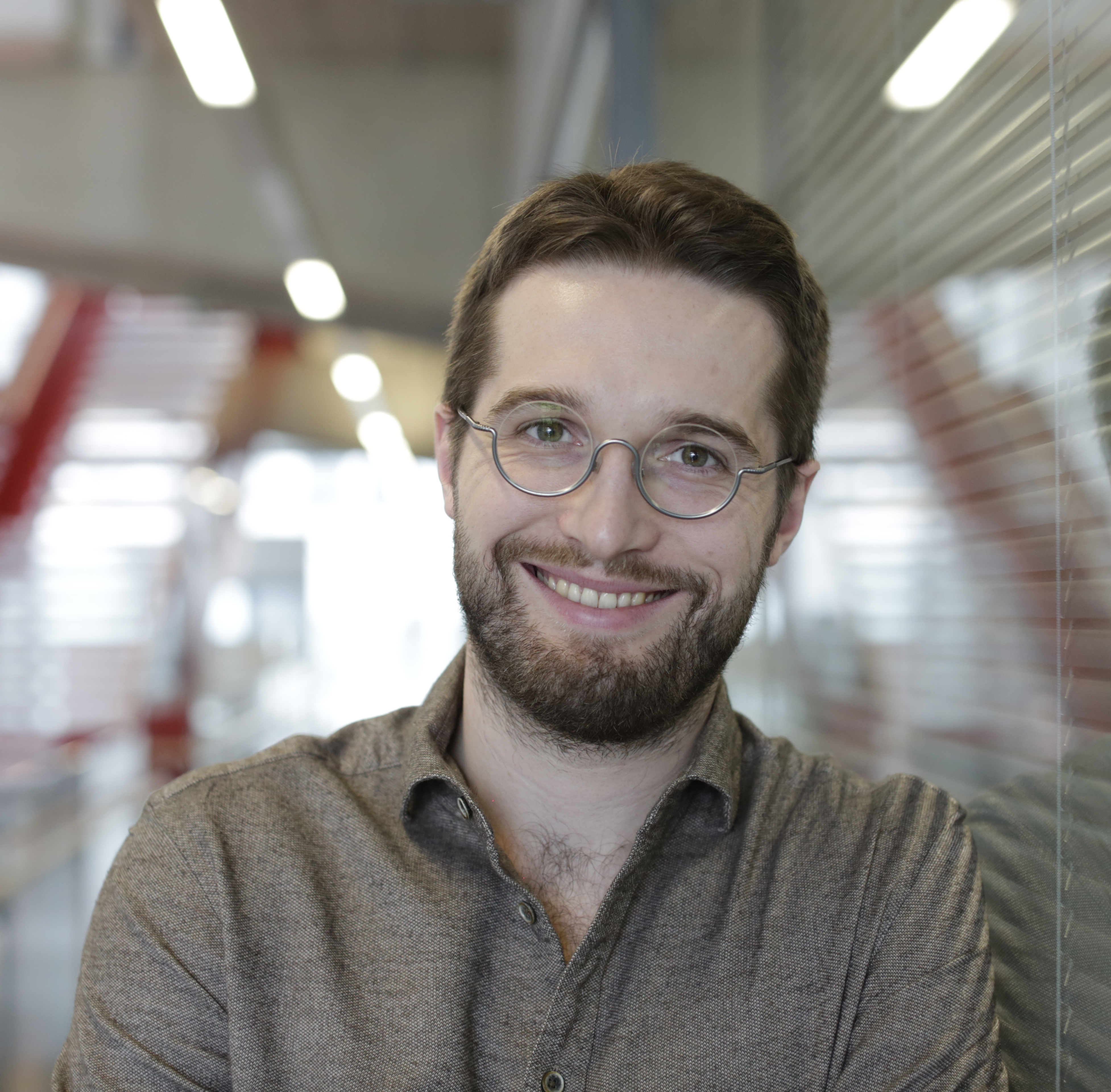
His team will study early germ cell tumours, identifying the different cell types they produce and understanding how the tumour develops.
Dr Leitch said: “Ultimately, we hope to build ever more sophisticated stem cell models, which we can then use to test new therapies in a safe way.
"In the long term, our goal is that we can contribute to the development of better and safer treatments for germ cell tumours.”
Improving exciting new immunotherapies
Professor John Anderson’s project is developing a new type of CAR T cell therapy for solid tumours. CAR T therapy uses a child’s own immune cells to find and attack cancer.
It has worked well in some blood cancers, but in solid tumours the cells can become tired and stop working as well.
Prof Anderson’s team is developing a new version of the treatment that can be temporarily switched off, giving the cells time to rest before they start fighting the cancer again.
If successful, his work could help even more children benefit from this exciting new treatment.
A combination treatment to fight blood cancer
The third project, led by Professor Owen Williams, focuses on a hard-to-treat acute myeloid leukaemia (AML). This type of AML is driven by changes in a gene which forces the cancer cell to keep growing, making treatments less effective.
Prof Williams and his team want to find a better way to treat this cancer. He will be working with a “revolutionary new treatment” that has been developed by other researchers. It targets the faulty gene and can stop this forced growth.
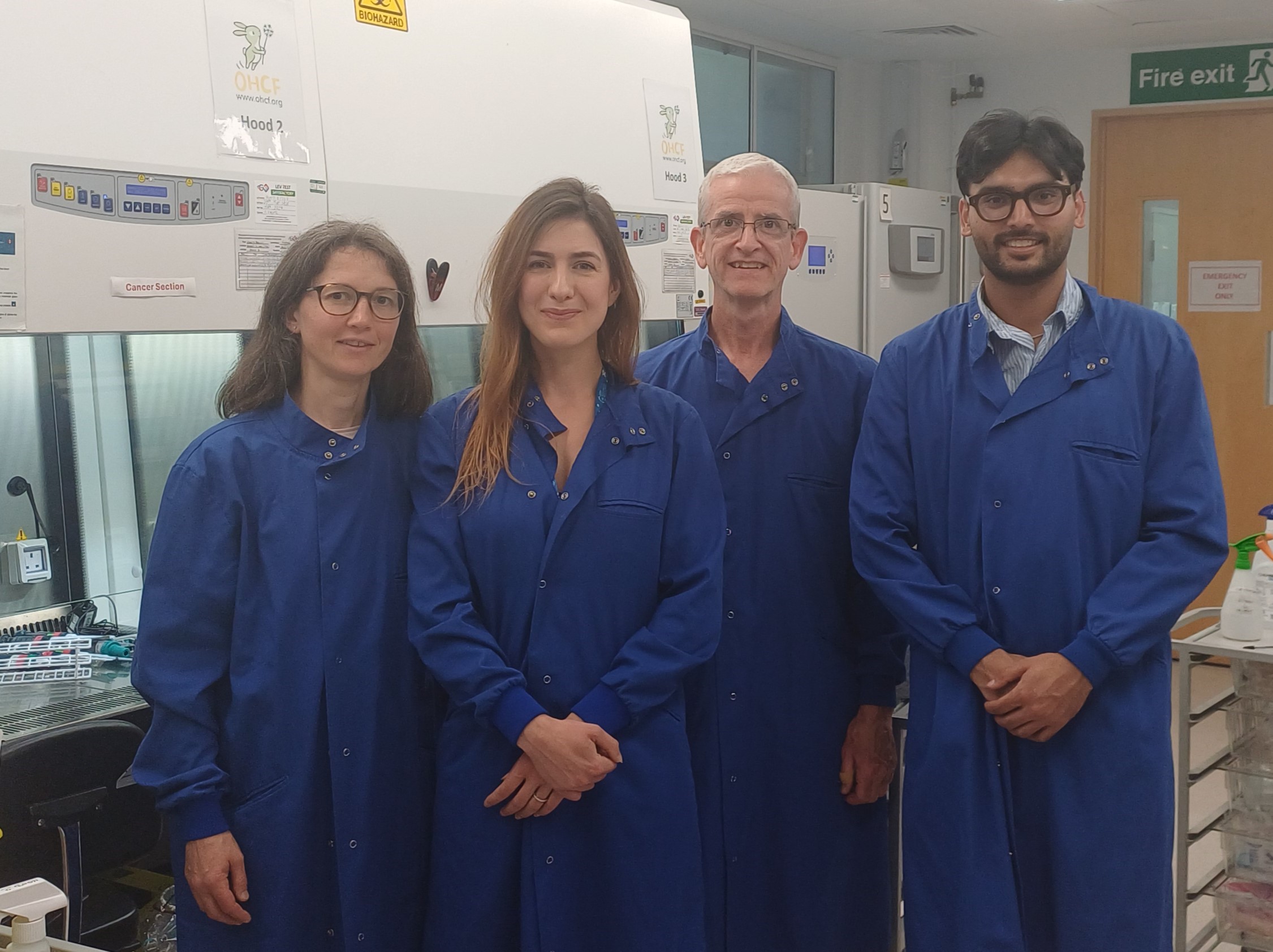
Unfortunately, the AML cells can find ways around this treatment. However, Dr Williams explained that the team has “discovered that this can be prevented by adding a medicine that stops the cancer cells from using sugar to survive and grow.”
With The Little Princess Trust’s funding, Prof Williams will test the new combination treatment. He said: “We are very excited to receive this funding. It will make all the difference to our research and its translation into better treatments for children suffering from this disease.”
It is brilliant to see so many diverse approaches, all focused on the same goal.
Wendy Tarplee-Morris, Director of Services & Impact and Co-Founder at The Little Princess Trust, said: “We are incredibly excited to be able to support these promising projects.
“Each project is approaching the challenge in a different way, whether that’s improving immunotherapy, understanding how cancers start, or testing new treatment combinations.
"It is brilliant to see so many diverse approaches, all focused on the same goal: a better future for children with cancer.”